
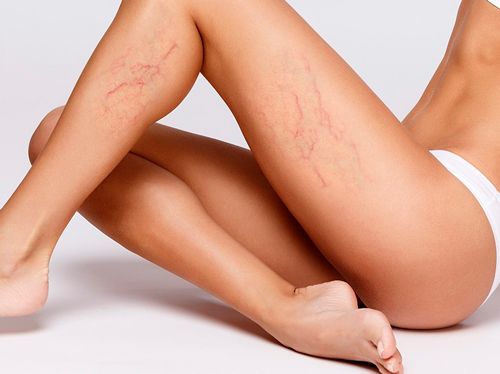
Spider veins are a common skin concern that can affect the appearance of the legs, ankles, and sometimes the face. People with sensitive skin may feel uncertain about addressing these visible veins because their skin is more likely to experience redness, irritation, or discomfort. Exploring options such as Spider Veins Treatment in Dubai can help individuals understand the considerations involved in choosing an approach that respects their skin's needs.
Understanding Sensitive Skin and Spider Veins
Sensitive skin often reacts more noticeably to environmental changes, skincare ingredients, temperature variations, and physical contact. Spider veins, meanwhile, are small visible blood vessels that commonly appear close to the skin's surface.
These two concerns can exist together, making it important to consider both skin sensitivity and vascular health. Someone experiencing frequent irritation may need additional attention when exploring options for visible veins.
Does Sensitive Skin Prevent Spider Veins Treatment?
Having sensitive skin does not necessarily mean that an individual cannot consider spider vein care. Important considerations include:
- The frequency of skin irritation or redness.
- Existing inflammation or damaged skin.
- Previous reactions to dermatological treatments.
- Individual tolerance to external skin stimulation.
- Any underlying vascular or skin conditions.
Common Characteristics of Sensitive Skin
Sensitive skin can display different characteristics depending on the individual. Common characteristics include:
- Redness after exposure to heat or cold.
- A tendency toward dryness and tightness.
- Itching or mild burning sensations.
- Increased reactions to fragrances and skincare ingredients.
- Visible irritation following physical contact.
Why Skin Assessment Matters Before Considering Vein Care
A person's skin condition plays an important role in determining the suitability of different aesthetic options. Sensitive skin may require additional consideration, particularly when redness, inflammation, or an existing skin disorder is present.
A professional assessment should consider the visibility and location of the veins alongside the overall condition of the surrounding skin. This helps distinguish ordinary sensitivity from conditions that may require separate dermatological attention. Individuals should also mention previous allergic reactions, persistent irritation, and any known skin conditions.
Skin Conditions That May Influence Suitability
Not every sensitive skin concern has the same significance. Certain dermatological conditions may influence whether an individual is suitable for particular approaches to spider veins. Examples include:
- Rosacea: Skin affected by rosacea may already experience facial redness and increased sensitivity.
- Eczema: Dryness, itching, and inflammation can make some areas more vulnerable to irritation.
- Contact dermatitis: Reactions to particular substances may require additional precautions.
- Active skin infections: Affected areas generally require medical attention before elective aesthetic care.
- Broken or inflamed skin: Compromised skin may need time and appropriate care before further consideration.
Does Skin Sensitivity Differ Across Body Areas?
Yes, sensitivity can vary considerably across the body. Facial skin, for example, may react differently from the skin on the legs. Areas around the ankles can also experience dryness, friction, or irritation due to footwear and clothing.
Someone with sensitive facial skin may not necessarily have the same sensitivity on their legs. Therefore, suitability should be considered according to the specific area affected by spider veins rather than assuming that the entire body has identical skin characteristics.
The Importance of Individual Skin History
Previous skin experiences provide useful information when evaluating aesthetic care. A complete skin history may include:
- Known allergies and sensitivities.
- Previous dermatological diagnoses.
- Reactions to topical skincare products.
- History of inflammation or unusual skin changes.
- Existing medications that may influence skin health.
Gentle Skincare Considerations for Sensitive Skin
Maintaining a healthy skin barrier is an important consideration for people who experience sensitivity. Everyday habits can help minimise unnecessary irritation and support general skin comfort. Some useful skincare considerations include:
- Choosing fragrance-free skincare products.
- Avoiding harsh exfoliating ingredients when irritation is present.
- Using gentle cleansers suitable for sensitive skin.
- Applying moisturisers that support the skin barrier.
- Protecting exposed skin from excessive sun exposure.
When Should Sensitive Skin Receive Additional Attention?
Certain symptoms deserve attention before someone considers elective aesthetic care. Persistent inflammation, unexplained swelling, open wounds, unusual skin discolouration, or painful areas should not be dismissed as ordinary sensitivity.
Additionally, sudden changes in the appearance of veins accompanied by leg pain, warmth, or swelling may require medical evaluation. These symptoms can sometimes indicate an underlying vascular concern rather than a purely cosmetic issue.
Setting Realistic Expectations About Skin Suitability
People with sensitive skin should understand that individual responses to aesthetic care can differ. There is no universal approach that suits everyone, and skin sensitivity should never be overlooked when considering visible vein concerns.
Understanding personal limitations, discussing potential irritation, and recognising existing skin conditions can help individuals make more informed choices. It is equally important to distinguish between cosmetic concerns and symptoms that may require medical evaluation.
Final Thoughts
Spider veins treatment may be suitable for some individuals with sensitive skin, but the decision depends on personal skin characteristics, overall health, and the condition of the affected area. Sensitivity alone does not automatically rule out consideration, although active inflammation, allergies, and certain dermatological conditions may influence suitability. Paying attention to skin health, sharing an accurate medical history, and seeking an appropriate professional assessment are important steps.