
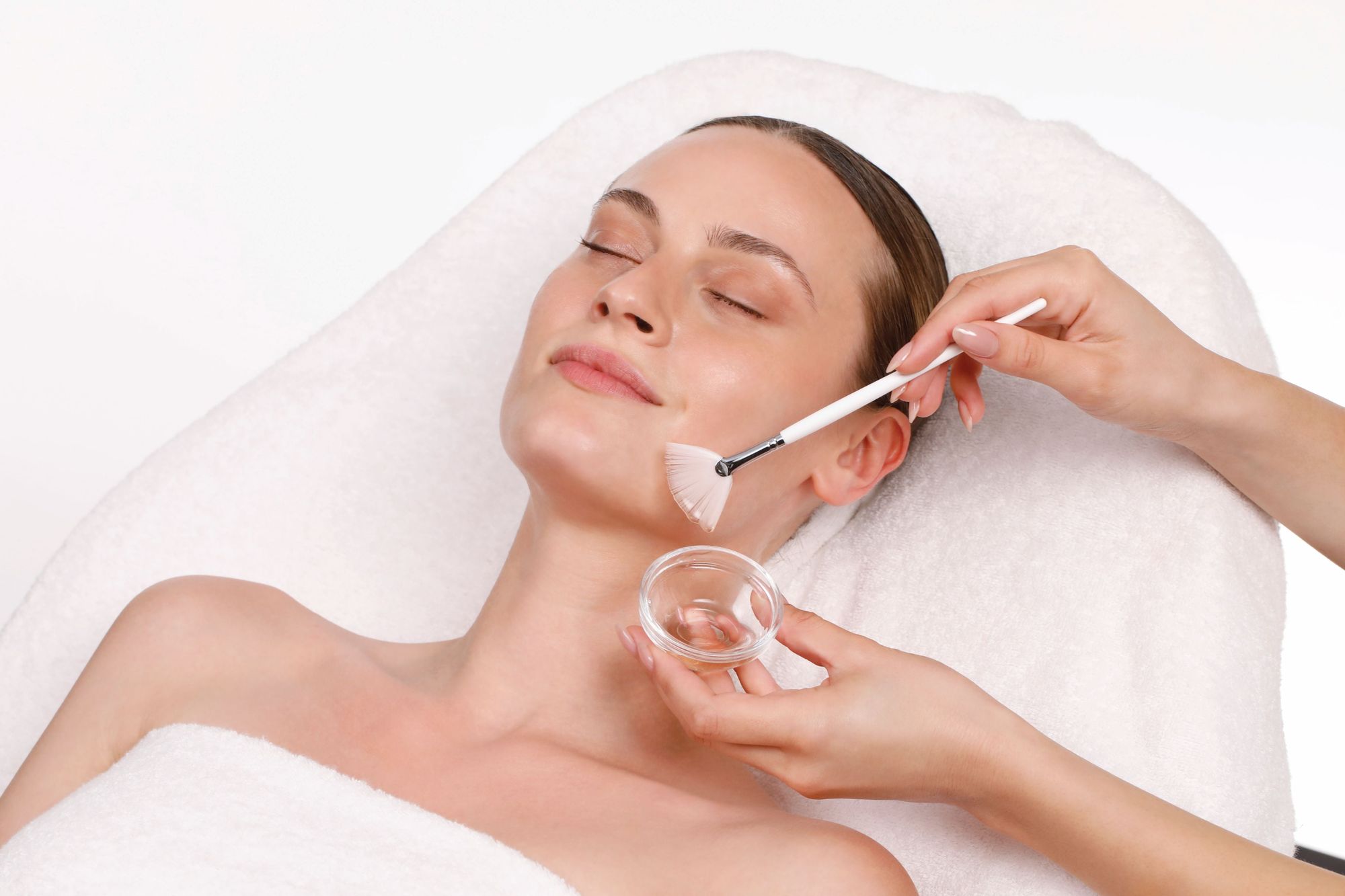
Dead skin cells can accumulate on the skin's surface, contributing to a rough texture, clogged pores, and a dull appearance. Regular exfoliation is an important part of maintaining healthy-looking skin, particularly for individuals who experience excess oil or frequent congestion. Salicylic Acid Peeling in Dubai is a popular skincare option for people interested in improving surface clarity and addressing concerns associated with dead skin cell buildup. Its exfoliating properties make it particularly relevant for oily and blemish-prone skin.
How Does It Support Dead Skin Cell Removal?
Dead skin cells can create a layer that makes the complexion appear less fresh. Salicylic acid helps loosen the buildup of these cells, supporting their natural shedding.
- Accumulated surface debris.
- Rough patches.
- Uneven skin texture.
- Congested areas around the nose and forehead.
- Excess oil associated with blocked pores.
Why Is It Suitable for Oily Skin?
Oily skin often experiences challenges associated with excess sebum, enlarged-looking pores, and recurring congestion. When oil combines with dead skin cells, pores may become more noticeable.
Salicylic acid is frequently included in skincare routines designed for oily skin because of its ability to interact with oil. Its exfoliating characteristics make it a relevant option for individuals who want to maintain clearer-looking skin without relying exclusively on surface cleansing.
Can It Help With Clogged Pores?
Clogged pores are a common concern that can affect different skin types, although they are particularly noticeable in individuals with oily skin. Some related skin concerns include:
- Visible blackheads around the nose.
- Congestion across the forehead.
- Small bumps associated with blocked pores.
- Uneven-looking areas around the chin.
The Connection Between Exfoliation and Skin Texture
Skin texture plays an important role in the overall appearance of the complexion. When dead cells accumulate, the skin may feel rough or appear uneven under different lighting conditions.
Exfoliation helps address this concern by supporting the removal of accumulated surface cells. Salicylic acid is especially relevant when roughness occurs alongside oiliness or clogged pores. However, texture concerns can have several underlying causes, so exfoliation may not address every type of unevenness.
Is It Appropriate for Acne-Prone Skin?
Individuals with acne-prone skin frequently experience a combination of excess oil, clogged pores, and dead skin cell accumulation. It may be particularly relevant for people concerned about:
- Blackheads and whiteheads.
- Excessively oily areas.
- Recurring pore congestion.
- Uneven skin texture associated with blemishes.
Does Excessive Exfoliation Affect Skin Health?
Exfoliation can support skin maintenance, but excessive use may compromise the skin's protective barrier. Signs of excessive exfoliation may include:
- Persistent redness.
- Unusual dryness or tightness.
- Flaking and peeling.
- Increased sensitivity.
- A burning or uncomfortable sensation.
Supporting Skin Clarity With Consistent Skincare
Dead skin cell management involves more than selecting an exfoliating ingredient. Everyday skincare habits also influence the complexion's appearance and comfort. A balanced routine may include:
- Gentle cleansing to remove everyday impurities.
- Moisturizers that support the skin barrier.
- Sun protection to help protect exposed skin.
- Suitable exfoliating products based on individual tolerance.
- Avoiding unnecessary combinations of strong active ingredients.
Final Thoughts
Salicylic acid peeling can be a helpful option for addressing dead skin cell accumulation, particularly when it occurs alongside excess oil, clogged pores, and uneven texture. Its oil-soluble characteristics make it especially relevant for individuals with oily or blemish-prone skin. However, its suitability depends on individual skin type, sensitivity, and existing concerns. Excessive exfoliation should always be avoided because it can contribute to dryness and irritation.