
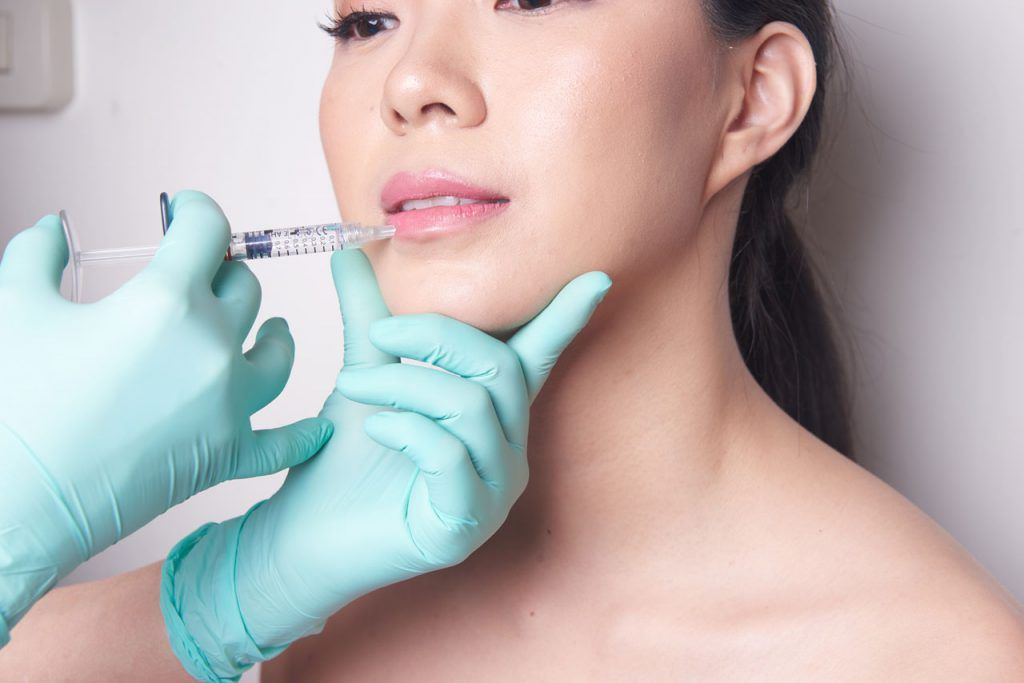
Facial proportions play an important role in creating a balanced and harmonious appearance. The jawline, chin, cheeks, and lower face contribute to the overall structure, influencing how facial features complement one another. Some individuals naturally have a wider or more prominent lower face, which may make their facial appearance seem broader. In such cases, Masseter Botox Dubai is a popular aesthetic consideration for individuals interested in addressing the appearance of an enlarged jaw muscle and achieving more balanced facial proportions.
Why Does the Jawline Influence Facial Balance?
The jawline forms an important part of the lower facial structure. Its width and definition can influence whether someone has a rounded, oval, square, or angular facial appearance.
A particularly prominent jaw muscle may contribute to a wider-looking lower face. This characteristic can sometimes make the jaw appear more pronounced compared with the cheeks and upper facial features. Understanding the relationship between jaw width and other facial characteristics is important when considering aesthetic preferences.
What Is the Role of the Masseter Muscle?
The masseter is a major muscle located along each side of the jaw. It plays an essential role in chewing and other everyday jaw movements. A more noticeable masseter muscle may contribute to:
- A wider appearance around the lower cheeks
- A more pronounced square-shaped jaw
- Greater visual emphasis on the lower face
- Differences in facial width and contour
Can Masseter Botox Support Better Facial Proportions?
Masseter Botox is considered by some individuals seeking a less prominent lower facial appearance. Its aesthetic relevance is associated with addressing excessive masseter muscle activity and bulk.
However, facial proportions depend on multiple anatomical factors. Bone structure, fat distribution, skin elasticity, and natural facial shape also influence the overall appearance. Therefore, masseter-focused aesthetic treatment is not equally suitable for everyone.
Which Facial Shapes May Benefit From Masseter Considerations?
Different facial shapes have different structural characteristics. People with naturally wider lower faces may be particularly interested in understanding the role of their masseter muscles. Some commonly discussed facial characteristics include:
- Square-shaped faces: A prominent jawline may create a distinctly angular appearance.
- Round faces: Greater width around the lower cheeks may contribute to an overall rounded appearance.
- Heart-shaped faces: The relationship between a narrower chin and wider upper face may influence aesthetic preferences.
- Oval faces: Maintaining balanced proportions between the cheeks and jawline may be an important consideration.
The Connection Between Jaw Width and Cheek Definition
Jaw width can influence how prominent the cheeks appear. When the lower face is particularly broad, the cheekbones may seem less noticeable in comparison.
Facial balance involves considering the relationship between the upper, middle, and lower facial regions. Aesthetic preferences often focus on maintaining natural transitions between these areas rather than emphasizing one feature excessively.
Can Jaw Muscle Prominence Affect Facial Symmetry?
Facial symmetry is another important aspect of overall appearance. Factors that may contribute to these differences include:
- Unequal chewing habits
- Frequent jaw clenching
- Differences in muscle development
- Natural variations in facial anatomy
Natural Facial Features and Individual Aesthetic Preferences
Every face has distinctive characteristics that contribute to individual identity. Some people appreciate a strong, angular jawline, while others prefer softer contours and a narrower-looking lower face.
Neither preference is inherently better. Aesthetic decisions should reflect personal expectations while respecting natural facial anatomy. Considering the entire face rather than focusing exclusively on one feature can help establish more realistic expectations about facial balance.
Other Factors That Influence Lower Facial Appearance
Masseter muscle size is only one element that contributes to the appearance of the jawline. Several other characteristics can influence how broad or defined the lower face looks. Important considerations include:
- Bone structure: The natural width and shape of the jawbone influence facial contours.
- Fat distribution: Facial fullness can affect the appearance of the cheeks and jawline.
- Skin elasticity: Skin firmness contributes to the definition of the lower face.
- Chin proportions: Chin width and projection influence the overall facial profile.
- Genetics: Inherited characteristics play an important role in natural facial shape.
Is Masseter Botox Suitable for Every Facial Structure?
Not every individual with a broad jawline has enlarged masseter muscles. In some cases, facial width is primarily related to bone structure, natural fat distribution, or other anatomical characteristics.
Individuals considering this aesthetic approach should understand the distinction between muscular prominence and naturally wide facial anatomy. A qualified medical professional can assess individual suitability and discuss relevant considerations.
Final Thoughts
Masseter Botox can be an aesthetic consideration for individuals whose prominent jaw muscles contribute to a wider-looking lower face. By addressing muscular prominence, it may support the appearance of softer facial contours and improved visual balance in appropriately selected individuals. However, facial proportions involve much more than jaw muscle size. Bone structure, cheek definition, chin shape, skin characteristics, and natural symmetry all contribute to the overall appearance.