
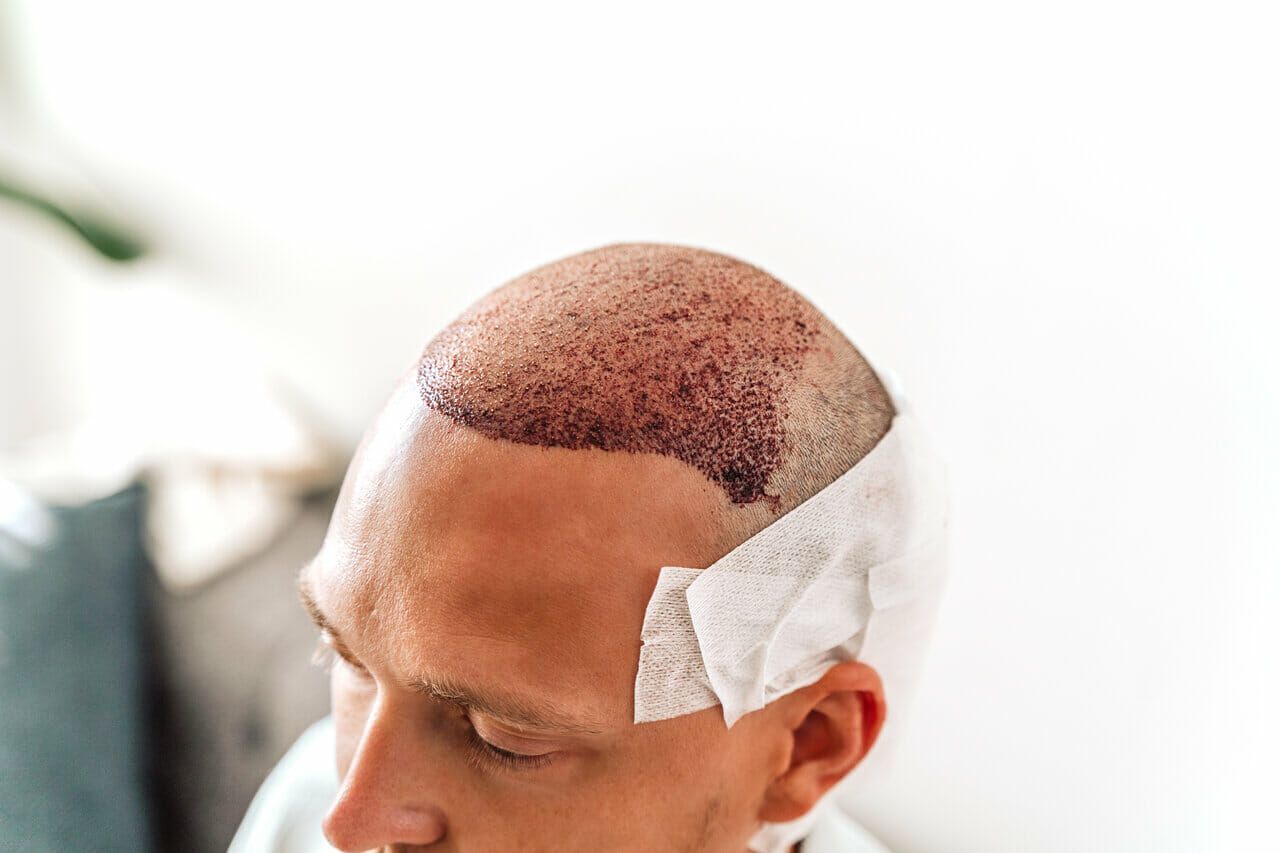
Hairline balance plays an important role in how the forehead, temples, and overall facial proportions appear. When the hairline becomes uneven, recedes noticeably, or lacks definition, some people explore options that may support a more harmonious appearance. Hair Transplant in Dubai is one approach people may consider when looking for a way to address concerns related to hairline definition. The suitability of this option can depend on individual hair characteristics, facial structure, and the nature of the hairline concern.
Understanding Hairline Balance
A balanced hairline does not necessarily mean having a perfectly straight or symmetrical line. Natural hairlines commonly include subtle variations around the temples and forehead. These variations can contribute to an authentic and proportionate appearance.
- Forehead proportions
- Temple shape
- Facial contours
- Existing hair density
- Overall hairstyle
When these elements appear visually compatible, the hairline may look more harmonious with the rest of the face.
Why Hairline Appearance Can Change
Hairline concerns can develop for several reasons. Age-related changes, hereditary hair loss, naturally uneven growth patterns, and differences in hair density may all influence how the front of the scalp looks.
Some individuals may have a naturally high hairline without significant hair loss, while others may notice gradual changes around the temples. Previous hair loss can also create an appearance where the central hairline and sides no longer seem proportionate.
Can Hair Transplant Support Hairline Definition?
Hair transplant may be considered when an individual wants to address areas where hair density has become limited. For people primarily concerned with hairline balance, the focus is often on creating an appearance that complements their natural facial proportions rather than simply making the hairline lower.
A suitable hairline concept generally considers existing growth patterns and the individual's facial characteristics. This can help avoid an appearance that looks overly uniform or disconnected from the rest of the scalp.
Facial Proportions and Hairline Appearance
The relationship between the hairline and face can influence overall appearance. A hairline that appears too high, uneven, or sparse may make the forehead seem more prominent. Conversely, an excessively low or rigid-looking hairline may appear inconsistent with natural facial proportions.
For this reason, personal characteristics matter when assessing hairline balance. Factors such as forehead height, face shape, temple configuration, and existing hairline pattern can all influence what looks natural for an individual.
Factors That May Affect Hairline Balance
Several personal characteristics can influence whether hair restoration is worth considering for a hairline concern:
- Hair characteristics: Hair thickness, texture, and existing density can affect overall visual coverage.
- Hair loss pattern: The location and extent of thinning can influence the nature of the hairline concern.
- Facial structure: Forehead and facial proportions can affect how different hairline shapes are perceived.
- Age considerations: A suitable hairline concept may need to account for natural changes associated with aging.
- Personal expectations: Understanding what constitutes a natural-looking hairline can help establish realistic aesthetic goals.
These factors are particularly relevant when the primary concern is balance rather than simply increasing the amount of hair.
Natural-Looking Hairline Considerations
Natural appearance is an important consideration for anyone exploring hair restoration. A hairline generally contains subtle irregularities rather than appearing like a perfectly straight boundary.
The transition between the forehead and scalp can also vary from person to person. Some people naturally have softer temple areas, while others have stronger recession patterns. Recognizing these differences can help frame hairline concerns in a more individual way.
Who May Consider Hair Transplant for Hairline Concerns?
Hair transplant may be considered by adults who are concerned about visible thinning, recession, or irregularity around the frontal hairline and have suitable characteristics for hair restoration.
However, not every uneven hairline necessarily requires treatment. Some asymmetry is completely natural, and a slightly irregular hairline can contribute to facial individuality. The decision to explore hair restoration may therefore depend on how noticeable the concern is and how strongly it affects a person's appearance preferences.
Setting Realistic Expectations About Hairline Balance
Expectations are particularly important when discussing hairline aesthetics. Hair restoration should not automatically be viewed as a way to create a completely symmetrical or dramatically lower hairline.
Individual differences mean that an approach suitable for one person may not be appropriate for another. Maintaining a natural relationship between the hairline, temples, forehead, and facial structure is generally more relevant than pursuing a particular standardized shape.
Final Thoughts
Hair transplant can be a consideration for people who want to address concerns involving hairline definition, recession, or uneven frontal density. Its relevance to hairline balance depends on individual hair characteristics, facial proportions, existing density, and personal expectations. A balanced appearance is not necessarily about creating perfect symmetry or lowering the hairline as much as possible. Instead, the emphasis can be on achieving a hairline concept that looks compatible with the individual's natural features and overall appearance.