
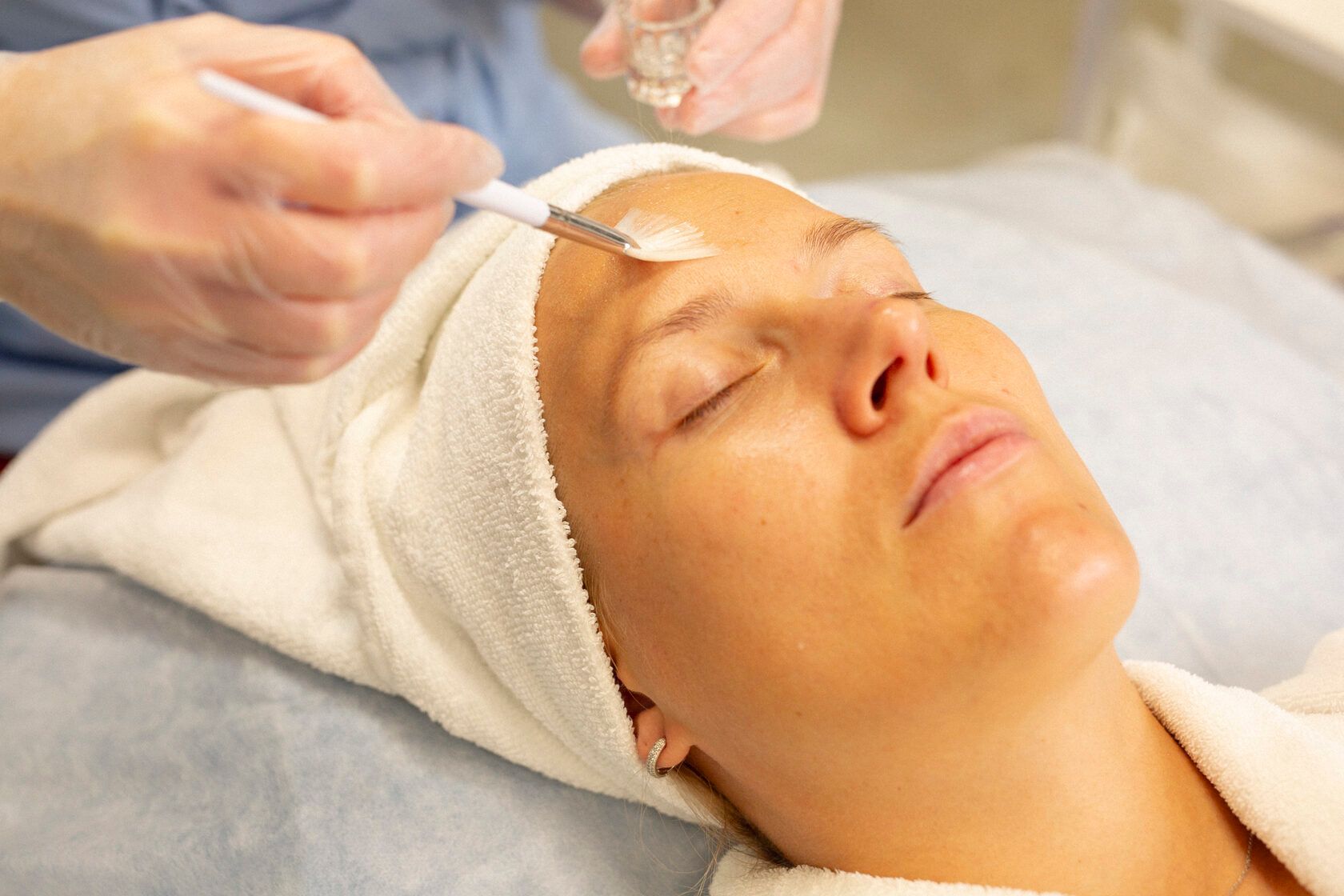
Uneven skin tone is a common skin concern that can affect the overall appearance and texture of the complexion. Dark patches, discoloration, and areas of excessive pigmentation may develop for several reasons, making the skin look less balanced. People experiencing these concerns often explore specialized skincare options to support a more even-looking complexion. Among the available choices, Cosmelan Peel in dubai is frequently considered by individuals interested in addressing visible pigmentation concerns.
Understanding Uneven Skin Tone
Uneven skin tone refers to differences in skin color across various areas of the face or body. Some sections may appear darker, while others maintain a relatively consistent complexion. Common characteristics include:
Dark patches around the cheeks and forehead.
Discoloration near the upper lip and chin.
Areas of pigmentation caused by sun exposure.
Visible marks left behind by previous skin concerns.
Irregular complexion across different facial areas.
Can It Address Different Types of Pigmentation?
Not all pigmentation concerns look alike. Their appearance, depth, and contributing factors can vary considerably between individuals.Cosmelan Peel may be considered for several pigmentation-related concerns, including:
Melasma: Irregular brown or greyish patches, particularly across the cheeks and forehead.
Sunspots: Darkened areas associated with prolonged ultraviolet exposure.
Post-inflammatory hyperpigmentation: Dark marks that remain after skin irritation, inflammation, or acne.
Uneven facial pigmentation: Differences in complexion that make certain facial areas appear darker.
Is It Suitable for Different Skin Types?
People have different skin characteristics, and these differences can influence their suitability for pigmentation-focused treatments. Individuals with oily, dry, combination, or normal skin may have different skincare requirements.
However, skin type alone does not determine suitability. Skin sensitivity, existing irritation, pigmentation characteristics, and personal skin history also deserve consideration. A professional skin assessment can help establish whether this option is appropriate for an individual's complexion and concerns.
How Does Sun Exposure Affect Skin Tone?
Sun exposure is one of the common factors associated with uneven pigmentation. Regular exposure to ultraviolet radiation can contribute to the development of darker patches and visible discoloration. Important considerations include:
Frequent exposure without adequate sun protection.
Changes in pigmentation following sunburn.
Dark spots appearing on exposed facial areas.
Existing pigmentation becoming more noticeable after sunlight exposure.
Is It Relevant for People With Melasma?
Melasma is a pigmentation concern characterized by irregular brownish or greyish patches, particularly on the face. It commonly affects the forehead, cheeks, nose, and upper lip.
People experiencing melasma may consider pigmentation-focused skincare options when discoloration becomes noticeable or affects their confidence.
What Skin Concerns Should Be Considered Beforehand?
Understanding existing skin conditions is essential before choosing any pigmentation-focused treatment. Certain skin characteristics may require additional attention. Consider the following factors:
Sensitive skin: Individuals who frequently experience redness or irritation may need a careful assessment.
Active inflammation: Existing irritation or inflamed skin can influence suitability.
Skin barrier concerns: A compromised skin barrier may require attention before considering intensive skincare.
Existing pigmentation: The nature and appearance of discoloration should be properly evaluated.
Previous reactions: A history of sensitivity to skincare ingredients should be discussed.
Can It Be Considered for Post-Acne Marks?
Acne-related discoloration is another common reason people explore pigmentation-focused skincare. After acne inflammation settles, dark marks may remain in the affected areas. These marks are generally associated with post-inflammatory hyperpigmentation and can create an uneven appearance.
Cosmelan Peel may be relevant to individuals whose primary concern involves pigmentation left behind by acne. However, it is important to distinguish between flat dark marks and actual acne scars.
Why Is Individual Skin Assessment Important?
Every complexion has its own characteristics, and pigmentation does not develop identically in everyone. Two individuals with similar-looking dark patches may have different underlying concerns.
An individual assessment helps identify pigmentation patterns, skin sensitivity, existing conditions, and personal skincare requirements. It also helps determine whether pigmentation-focused treatments are appropriate or whether another approach would better address the concern.
Who May Need Additional Consideration?
Although pigmentation-focused treatments attract interest from people with uneven skin tone, they are not automatically suitable for everyone. Additional consideration may be necessary for individuals experiencing:
Active skin infections or irritation.
Significant skin sensitivity.
Recently inflamed or damaged skin.
Unexplained changes in pigmentation.
Existing dermatological conditions requiring medical attention.
Final Thoughts
Cosmelan Peel may be a relevant option for people concerned about uneven skin tone, particularly when discoloration involves melasma, sunspots, or post-inflammatory hyperpigmentation. Its suitability, however, depends on individual skin characteristics, pigmentation patterns, sensitivity, and existing skin conditions. Understanding the nature of discoloration is essential before selecting any pigmentation-focused skincare approach.