
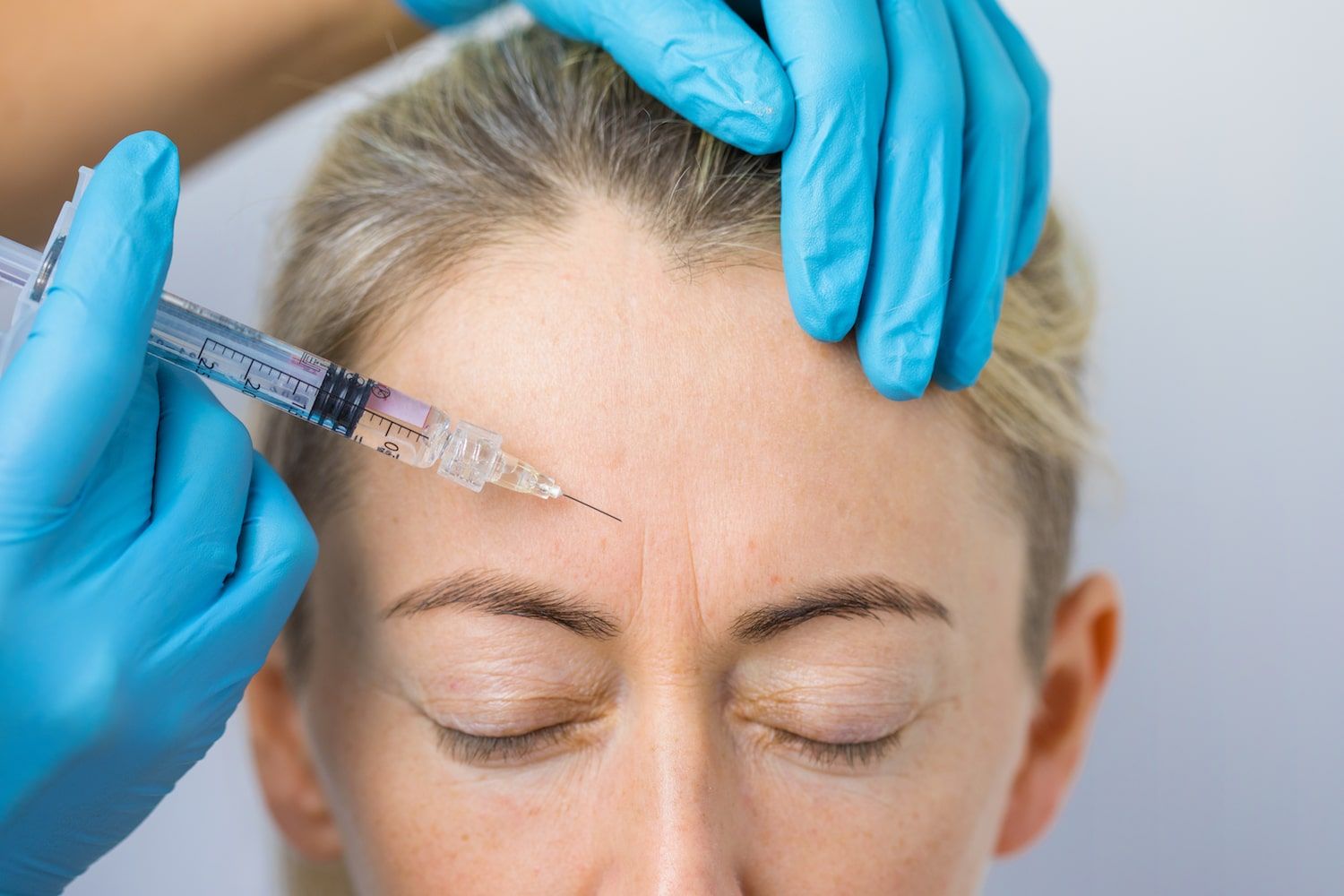
Facial asymmetry is a common characteristic that occurs when one side of the face looks slightly different from the other. Differences in eyebrow height, smile movement, cheek appearance, and jawline definition can influence overall facial balance. While some variations are natural, others may become more noticeable because of uneven muscle activity. For individuals exploring aesthetic options, Botox Injection Dubai is a topic of interest because targeted muscle relaxation may help address certain types of facial imbalance.
Understanding Facial Asymmetry
Facial asymmetry refers to visible differences between the left and right sides of the face. Perfect symmetry is uncommon, and minor variations are generally a normal part of individual appearance. These differences may involve several facial features, including:
Uneven eyebrow positioning or forehead lines.
One side of the smile appearing higher than the other.
Differences in jawline definition.
Unequal muscle movement during facial expressions.
How Muscle Activity Can Affect Facial Balance
Facial muscles contribute to expressions, movement, and the appearance of different facial features. Sometimes, one muscle may be more active than its counterpart, creating an uneven appearance when a person smiles, frowns, or raises their eyebrows.
When asymmetry is primarily related to uneven muscle activity, targeted aesthetic treatment may be worth discussing with a qualified medical professional.
Can Botox Address Certain Types of Asymmetry?
Botox may be suitable for selected cases of facial asymmetry when excessive or uneven muscle activity contributes to the visible difference. Its potential role is to reduce the activity of specific muscles rather than change the underlying structure of the face. This approach may be considered for concerns involving:
Uneven eyebrow elevation caused by muscle movement.
Asymmetrical forehead expressions.
Certain patterns of muscle activity around the mouth.
Differences in facial expressions linked to overactive muscles.
Facial Asymmetry Caused by Structural Differences
Not all facial imbalances originate in the muscles. Some differences relate to the shape of the facial bones, the position of the jaw, the distribution of soft tissue, or natural variations in facial anatomy.
Botox does not reshape bones, add volume, or correct skeletal differences. Therefore, it may have limited value when asymmetry is primarily structural. Understanding this distinction helps establish realistic expectations. A treatment intended to influence muscle movement should not be considered a universal solution for every difference in facial shape.
The Role of Eyebrow Position
Uneven eyebrows are among the facial concerns that may be associated with differences in muscle activity. One eyebrow may appear higher because the muscles responsible for lifting it work more actively than those on the opposite side.
In selected cases, carefully targeted muscle relaxation may help create a more balanced appearance. However, eyebrow position is also influenced by anatomy, skin laxity, and individual expression habits. Because the muscles around the eyes and forehead work together, excessive relaxation in the wrong area can affect natural movement.
Addressing an Uneven Smile
An uneven smile can occur when the muscles around the mouth move differently on each side. Some individuals notice that one corner of the mouth rises higher or moves more prominently when expressing happiness. Important considerations include:
Whether the asymmetry appears only during smiling or remains at rest.
Whether muscle activity is the primary contributing factor.
How treatment could affect normal mouth movement.
Whether the concern requires a different type of professional assessment.
Who May Be a Suitable Candidate?
Suitability depends on the individual's facial anatomy, concerns, general health, and expectations. People whose asymmetry is associated with identifiable differences in muscle activity may be more appropriate candidates than those with pronounced structural imbalances. Potential candidates should understand that:
Natural facial differences do not always require correction.
Treatment may address only a specific component of asymmetry.
Facial movement and expression should remain important considerations.
Individual responses and aesthetic preferences can vary.
When Botox May Not Be the Right Choice
Botox may be unsuitable when the underlying concern cannot be addressed through muscle relaxation or when reducing muscle activity could interfere with essential facial functions.
For example, asymmetry associated with significant jaw misalignment, differences in bone structure, or certain neurological conditions may require a different evaluation. Sudden facial asymmetry, particularly when accompanied by weakness, difficulty speaking, or other neurological symptoms, requires urgent medical attention rather than cosmetic treatment.
Maintaining Natural Facial Expressions
Facial balance involves more than making both sides appear identical. Natural expressions, individual characteristics, and harmonious movement all contribute to an appealing appearance.
Excessive muscle relaxation can sometimes make expressions look uneven in a different way or reduce movement in an area that plays an important functional role. For this reason, a conservative and individualised approach may be preferable when treatment is appropriate.
Setting Realistic Expectations
People considering Botox for facial asymmetry should understand what the treatment can and cannot address. A balanced perspective includes recognising that:
Some degree of asymmetry is completely normal.
Muscle-related differences may be more responsive than structural ones.
Facial features interact, so changes in one area can influence overall appearance.
Complete symmetry is neither guaranteed nor necessary for an attractive face.
Final Thoughts
Botox may be a suitable option for certain types of facial asymmetry, particularly when uneven muscle activity contributes to differences in eyebrow position, forehead movement, or selected facial expressions. However, it cannot correct every form of asymmetry, especially when bone structure, jaw alignment, or other anatomical factors are responsible. The most important consideration is identifying the underlying cause before choosing an aesthetic approach.