
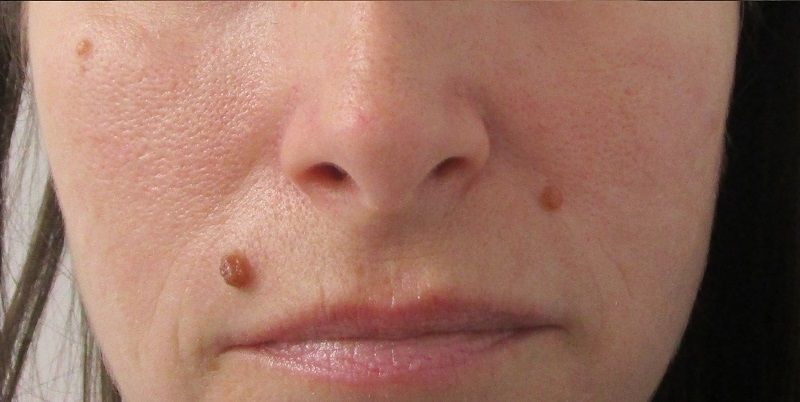
Benign skin moles are common growths that develop when pigment-producing cells cluster together in the skin. They may appear brown, black, pink, or similar to the surrounding skin, with shapes ranging from flat spots to slightly raised bumps. Although most moles are harmless, their location, size, or texture can sometimes make them uncomfortable. People exploring Benign Mole Removal in Dubai may wonder whether removing a non-cancerous mole is an appropriate choice when it repeatedly causes irritation. Understanding the nature of the mole, the discomfort it creates, and its overall appearance can help individuals make informed decisions about their skin health.
Why Do Some Moles Become Irritating?
Not every benign mole causes discomfort. However, certain characteristics can make a mole more noticeable or susceptible to irritation during everyday activities. Common sources of irritation include:
- Rubbing against collars, straps, or tight clothing.
- Repeated contact during shaving or grooming.
- Friction caused by jewellery or accessories.
- Accidental scratching while bathing or changing clothes.
- Pressure from everyday movement and physical activities.
Can Benign Mole Removal Be Considered?
Benign mole removal may be considered when a confirmed non-cancerous mole causes persistent irritation or interferes with daily activities. A mole that repeatedly catches on clothing or becomes uncomfortable during grooming can be a reasonable subject for professional assessment.
The mole's characteristics, location, medical history, and any recent changes are important considerations. Some moles may be better managed by reducing friction, while others may warrant further evaluation because of their appearance or symptoms. Removal is not automatically necessary simply because a mole exists or is slightly raised.
How Can You Recognise a Potentially Concerning Mole?
Although many moles remain harmless throughout life, changes in their appearance deserve attention. A mole that develops unusual features should not automatically be classified as benign based on its previous appearance or long-standing presence. Important warning signs include:
- Asymmetry: One half looks noticeably different from the other.
- Irregular borders: The edges appear uneven, blurred, or poorly defined.
- Colour variation: Several colours or unusual shades appear within one mole.
- Changing appearance: The mole changes in size, shape, colour, or elevation.
- Unusual symptoms: Persistent itching, tenderness, bleeding, or crusting develops.
Does the Location of a Mole Matter?
The location of a mole can significantly influence how much irritation it causes. Moles on the neck, shoulders, back, waist, and underarms may experience regular friction from clothing or accessories. Similarly, moles on the face can become bothersome during shaving, applying skincare products, or wearing glasses.
Moles in areas exposed to frequent movement may also attract attention because of repeated contact. Even a small growth can feel uncomfortable when it sits beneath a tight collar or along a clothing seam.
What Should You Know About Irritation and Skin Health?
Occasional discomfort caused by friction does not always suggest a serious problem. Nevertheless, recurring irritation deserves attention, particularly when a mole becomes inflamed, develops an open area, or repeatedly bleeds.
It is useful to distinguish between irritation caused by external contact and symptoms that occur without an obvious explanation. A mole that becomes sore after rubbing against clothing may have a different cause of discomfort from one that begins itching or bleeding spontaneously.
Are All Benign Moles Suitable for Removal?
Not every benign mole requires removal, and suitability depends on individual circumstances. Some moles are small, stable, and unlikely to cause future discomfort. Relevant considerations include:
- Whether the mole has been properly assessed as benign.
- How frequently irritation occurs.
- Whether the mole interferes with clothing, shaving, or other activities.
- Its position and physical characteristics.
- Any history of changes or unusual symptoms.
Can Everyday Habits Help Reduce Mole Irritation?
Simple changes in daily habits may help reduce friction around an irritating mole. Although these measures do not remove the growth, they can make routine activities more comfortable and limit unnecessary contact with sensitive skin. Consider the following practical adjustments:
- Choose clothing with softer fabrics and less restrictive collars.
- Avoid accessories that repeatedly rub against the affected area.
- Take care when shaving around raised moles.
- Keep fingernails away from irritated skin to prevent accidental injury.
- Monitor the mole for new symptoms or visible changes.
Why Is a Professional Assessment Important?
A professional assessment helps establish whether a mole is genuinely benign and whether its symptoms are consistent with ordinary friction. Some skin conditions can resemble common moles, while certain skin cancers may initially appear similar to harmless growths.
A healthcare professional may examine the mole's shape, colour, borders, surface, and history of change. Further assessment may be recommended when the appearance or symptoms raise concerns. In some cases, tissue examination may be necessary to establish a diagnosis.
Final Thoughts
Benign mole removal can be an option for individuals whose non-cancerous moles cause repeated irritation, interfere with grooming, or become uncomfortable because of their location. However, removal is not necessary for every harmless mole, and the decision should be based on individual needs, symptoms, and appropriate medical evaluation. Paying attention to changes in a mole's appearance is essential, particularly when new itching, bleeding, colour variation, or irregular borders develop.