
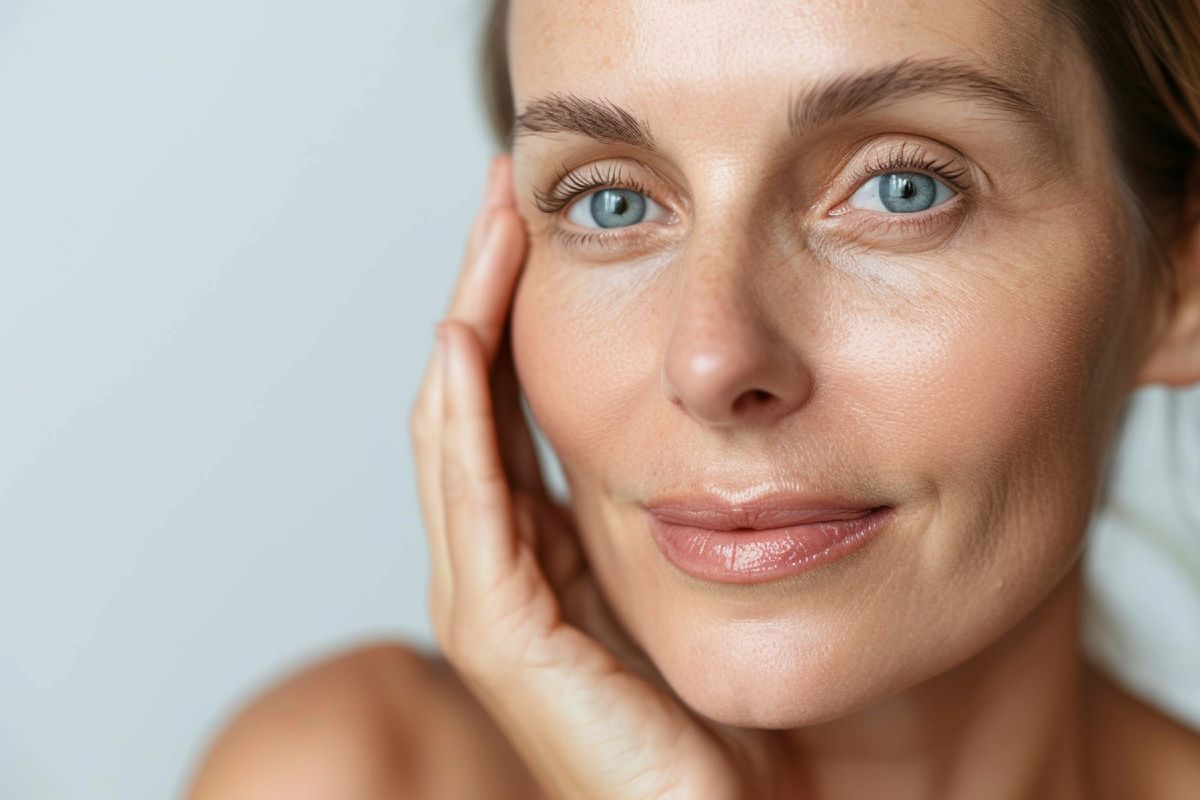
Sun exposure is one of the major factors that contribute to visible skin aging. Regular exposure to ultraviolet (UV) rays can gradually affect the skin's appearance, causing uneven pigmentation, fine lines, rough patches, and a loss of natural radiance. These concerns can become more noticeable with age, making skincare an important part of maintaining a healthy complexion. Many people explore Anti Aging Treatment in Dubai to address visible signs of sun damage and improve the overall appearance of their skin.
Understanding Sun-Damaged Skin
Sun-damaged skin develops after repeated exposure to ultraviolet radiation. Although sunlight provides certain benefits, excessive exposure can contribute to several visible changes. Common signs of sun-related skin damage include:
- Dark spots and uneven pigmentation.
- Fine lines around the eyes and mouth.
- Rough or uneven skin texture.
- Reduced skin elasticity.
- Dullness and a lack of natural radiance.
How Sun Exposure Contributes to Premature Aging
Frequent exposure to sunlight can make the skin appear older than its natural age. People who spend considerable time outdoors without adequate sun protection may notice changes in their complexion.
UV exposure is associated with visible concerns such as wrinkles, discoloration, and uneven texture. These changes are commonly described as photoaging. Unlike natural aging alone, photoaging is strongly influenced by environmental exposure and personal sun habits.
Can Anti-Aging Care Address Sun-Related Skin Concerns?
Anti-aging skincare focuses on maintaining a smoother, healthier-looking complexion while addressing common signs of aging. Depending on individual skin needs, anti-aging care may focus on:
- Improving the appearance of fine lines.
- Addressing uneven skin tone.
- Supporting smoother-looking skin.
- Reducing the appearance of dullness.
- Maintaining a more refreshed complexion.
Addressing Dark Spots and Uneven Pigmentation
Dark spots are among the most recognizable signs of sun-related skin changes. They often appear on areas that receive frequent sunlight, including the forehead, cheeks, nose, and hands.
Uneven pigmentation can make the complexion look less balanced. Anti-aging skincare may include approaches that focus on improving the appearance of discoloration and supporting a more uniform skin tone. Daily sun protection is particularly important because continued UV exposure can contribute to the appearance of additional pigmentation.
Improving the Appearance of Fine Lines and Wrinkles
Fine lines and wrinkles are common concerns associated with both natural aging and prolonged sun exposure. They may become noticeable around the eyes, forehead, and mouth. Individuals may benefit from paying attention to:
- Fine lines around delicate facial areas.
- Forehead creases.
- Wrinkles around the mouth.
- Changes in the appearance of facial skin firmness.
Supporting a Smoother Skin Texture
Sun exposure may contribute to roughness, dryness, and irregular skin texture. These changes can make the complexion appear tired or less refined.
Maintaining skin hydration and using suitable skincare products can support a smoother-looking surface. Gentle cleansing and consistent moisturizing are also useful parts of everyday skincare. A balanced skincare routine should consider individual skin sensitivity rather than relying on multiple strong products.
Why Skin Hydration Matters for Aging Concerns
Hydration plays an important role in maintaining the appearance and comfort of the skin. Sun-exposed skin may sometimes feel dry, tight, or rough, making fine lines appear more noticeable. Moisturizing products help maintain the skin's moisture balance and support a softer appearance. Ingredients such as hyaluronic acid, glycerin, and ceramides are commonly included in skincare formulations because they help attract or retain moisture and support the skin barrier.
The Importance of Antioxidants in Daily Skincare
Antioxidants are valuable ingredients in skincare routines focused on maintaining a healthy-looking complexion. Popular skincare ingredients include:
- Vitamin C for supporting a brighter-looking complexion.
- Vitamin E for moisturizing and conditioning the skin.
- Niacinamide for improving the appearance of uneven tone.
- Green tea extract for its antioxidant properties.
Preventing Further Sun-Related Skin Damage
Preventive skincare is essential for maintaining the appearance of sun-exposed skin. Addressing existing concerns is only one aspect of long-term skin care. Reducing additional UV exposure is equally important. Helpful everyday habits include:
- Applying broad-spectrum sunscreen with SPF 30 or higher.
- Reapplying sunscreen during extended outdoor activities.
- Wearing sunglasses and protective clothing.
- Seeking shade during periods of intense sunlight.
- Avoiding intentional tanning.
Choosing Skincare According to Individual Skin Needs
Not every individual experiences sun damage in the same way. Some people primarily notice pigmentation, while others are more concerned about wrinkles, dryness, or rough texture.
Skin type, sensitivity, age, and existing concerns should all be considered when selecting anti-aging skincare. People with sensitive skin may need gentle formulations, while those experiencing persistent discoloration should seek appropriate professional advice.
Final Thoughts
Anti-aging care can be helpful for addressing several visible concerns associated with sun-damaged skin, including fine lines, uneven pigmentation, rough texture, and dullness. Although natural aging and environmental exposure cannot be completely avoided, thoughtful skincare habits can support a healthier-looking complexion. Understanding individual concerns and choosing appropriate skincare practices are important steps toward preserving skin quality and supporting a more refreshed, balanced appearance.