
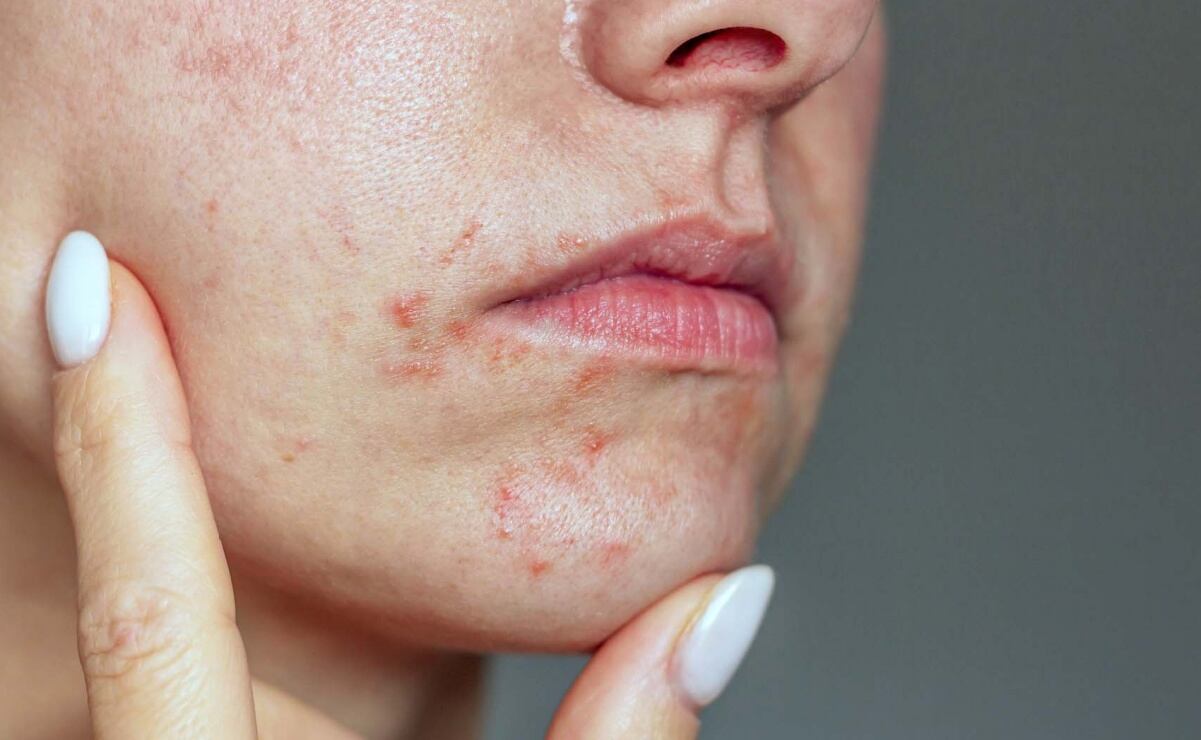
Blemish-prone skin can be challenging to manage because breakouts may appear repeatedly, leaving the complexion looking uneven or irritated. Choosing appropriate Acne Treatment in Dubai can be part of a broader skincare approach focused on keeping the skin balanced and supporting a clearer-looking complexion. Acne-prone skin may experience occasional spots, persistent blemishes, clogged pores, redness, or excess oil. Understanding these concerns can make it easier to choose skincare habits that are gentle, consistent, and suitable for individual needs.
Why Acne-Prone Skin Needs Consistent Care
Managing blemish-prone skin involves more than addressing visible spots when they appear. Daily habits, product choices, environmental exposure, and individual skin characteristics can all influence how the complexion behaves. Skin that frequently develops blemishes may also become sensitive when exposed to overly harsh products or excessive cleansing. A thoughtful skincare routine can therefore focus on maintaining cleanliness and comfort without unnecessarily disturbing the skin's natural balance.
Can Acne Treatment Support Blemish Management?
Acne treatment can be helpful for people who regularly experience blemishes because targeted skincare approaches are designed around common acne-related concerns.
- The type and frequency of blemishes
- Skin sensitivity and overall condition
- Areas where breakouts commonly appear
- Existing skincare products and habits
- Personal concerns about texture or discoloration
Common Concerns Associated With Blemish-Prone Skin
People with acne-prone complexions may experience different combinations of concerns. Some notice small bumps and clogged pores, while others deal with recurring inflamed spots. Blackheads and whiteheads can also become noticeable, particularly in areas where oil tends to accumulate. Beyond active blemishes, some individuals are concerned about the appearance of uneven texture or lingering marks. Recognizing these differences is important because skincare should address the complexion's specific needs rather than treating every type of acne in exactly the same way.
How Skincare Habits Can Complement Acne Management
An acne-focused treatment approach generally works best when supported by sensible everyday skincare. Cleansing should remove excess oil, makeup, and environmental impurities without leaving the skin feeling excessively dry.
- Gentle cleansing suited to the skin type
- Lightweight hydration
- Daily broad-spectrum sun protection
- Careful product selection
- Avoiding unnecessary picking or squeezing
Is Acne Treatment Suitable for Every Skin Type?
Acne treatment is not automatically identical for every person because skin types and acne patterns can differ considerably. Oily skin may require different considerations from dry or sensitive skin, while combination skin can present concerns across different areas of the face. Individuals with easily irritated complexions may need especially gentle options.
It is also important to distinguish between occasional blemishes and persistent acne. Occasional spots may respond well to careful everyday skincare, whereas frequent or more noticeable breakouts may require a more structured approach. Understanding the underlying pattern can help people avoid repeatedly changing products without giving their skin a consistent routine.
The Importance of Avoiding Harsh Skincare
One common mistake when managing acne-prone skin is assuming that stronger products are always better. Excessive exfoliation, aggressive cleansing, or frequent use of multiple active ingredients can make the complexion feel uncomfortable and appear irritated. This can make skincare more difficult rather than easier.
Another helpful habit is avoiding the temptation to squeeze blemishes. Picking at spots can increase irritation and may contribute to lingering marks or uneven texture. Keeping hands away from the face whenever possible can support a cleaner skincare environment and reduce unnecessary physical irritation.
Acne Treatment and Skin Confidence
Blemishes can affect how people feel about their appearance, particularly when breakouts are frequent or noticeable. Managing acne is therefore not simply about achieving a particular visual appearance. A consistent skincare routine can help individuals feel more comfortable and confident in caring for their complexion.
Healthy expectations are important. Acne-prone skin can still experience occasional blemishes even when someone follows an appropriate skincare routine. The goal of management is often to support healthier-looking, more balanced skin rather than expecting complete perfection.
Choosing an Appropriate Approach for Blemish-Prone Skin
There is no single acne-focused solution that suits everyone. Factors such as age, skin type, sensitivity, severity of breakouts, and previous skincare experiences can influence which approach may be appropriate. Professional guidance can be particularly useful when acne is persistent, uncomfortable, or associated with significant discoloration.
People should also consider their existing skincare routine before adding new products. Introducing several new ingredients simultaneously can make it difficult to determine what is helping or irritating the complexion. A gradual, considered approach allows the skin to be observed more carefully and makes routine adjustments easier when necessary.
Final Thoughts
Acne treatment can be helpful for managing skin that is prone to blemishes, particularly when the approach is selected according to individual skin characteristics and supported by sensible daily care. Understanding the difference between occasional spots, clogged pores, irritation, and recurring acne can encourage better skincare decisions. Gentle cleansing, appropriate hydration, sun protection, and thoughtful product selection can skin complement an acne-focused routine. Most importantly, blemish-prone skin deserves consistent and balanced care rather than harsh or excessive treatment.