
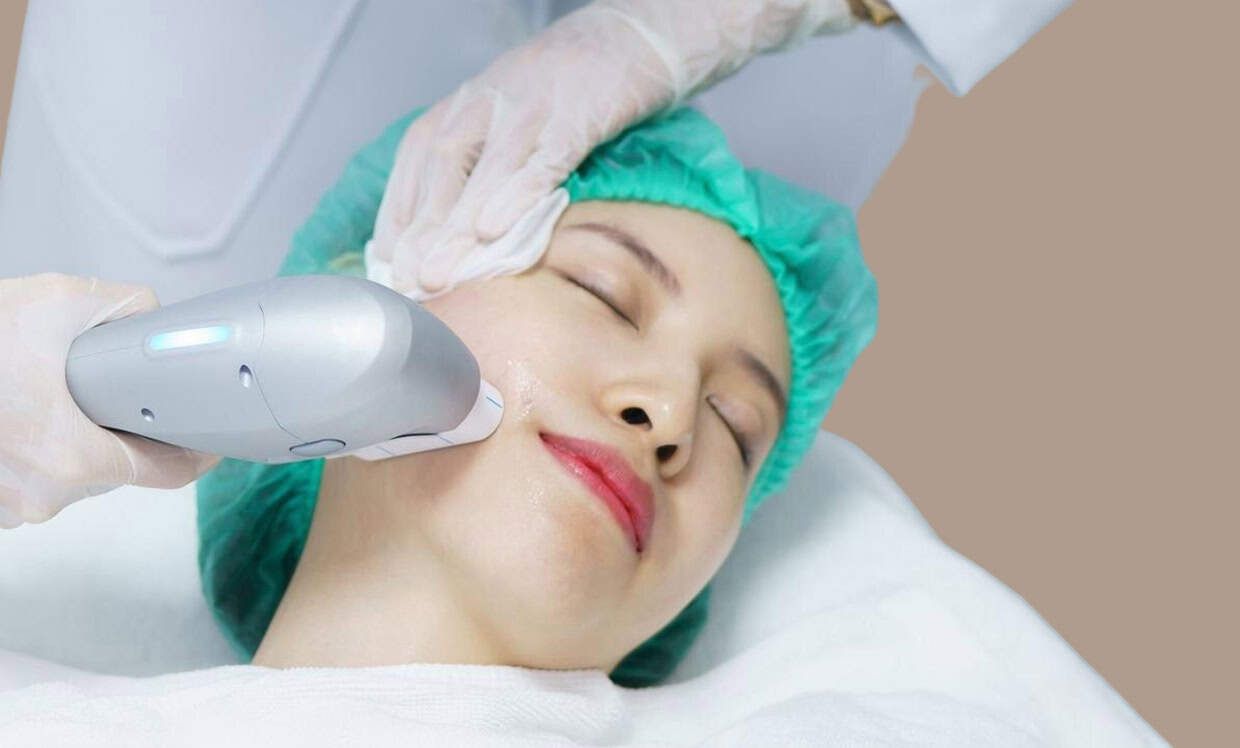
Facial skin texture can become less even with age, environmental exposure, dryness, and changes in skin firmness. Many people look for approaches that support a smoother, more refined appearance without making their skin seem overly altered. HIFU Treatment in Dubai is often discussed in connection with facial refinement and skin texture concerns, particularly for people interested in a more natural-looking approach to facial care. Understanding how it may relate to texture can help clarify whether it suits particular aesthetic goals.
Understanding Facial Skin Texture
Skin texture refers to how smooth, even, and refined the surface of the skin appears. Healthy-looking texture is influenced by several visible characteristics, including hydration, firmness, fine lines, pores, and overall skin condition.
- Natural aging and gradual changes in skin firmness
- Repeated exposure to environmental stressors
- Dry or dehydrated-looking skin
- Uneven-looking areas across the cheeks, forehead, or jawline
- Fine lines that make the surface appear less smooth
Because these factors can overlap, improving the appearance of facial texture is often about supporting overall skin quality rather than focusing on one isolated concern.
Can HIFU Support Smoother-Looking Skin?
HIFU is commonly associated with non-surgical facial aesthetic care and is considered by people seeking greater facial refinement. Its relevance to skin texture comes from its focus on areas where firmness and definition may influence the overall appearance of the skin.
When facial skin appears firmer and more supported, its surface can look more refined. This makes HIFU an option that some individuals consider when their main concern is a combination of mild laxity and uneven-looking texture.
Facial Firmness and Texture Are Connected
Facial texture is not completely separate from the underlying appearance of skin firmness. When skin begins to look less firm, certain areas may appear less smooth or defined.
- A more refined-looking facial surface
- Improved visual smoothness
- Better-looking firmness around selected facial areas
- A more defined overall facial appearance
These goals are different from treating active skin conditions, pigmentation, acne, or significant scarring, which may require approaches specifically designed for those concerns.
Is HIFU Gentle for Facial Texture Concerns?
The word “gentle” can mean different things in aesthetic skincare. For some people, it refers to choosing an approach that does not involve traditional surgical changes. For others, it means seeking subtle facial refinement rather than dramatic alteration.
HIFU is generally discussed as a non-surgical aesthetic option, making it relevant to individuals who prefer facial treatments that do not involve conventional surgery. Its appeal may be particularly relevant for those whose texture concerns are connected with a desire for greater firmness and facial definition.
What Facial Areas May Have Texture Concerns?
Texture irregularities can be noticed across different parts of the face. The cheeks may appear less smooth, while areas around the jawline can show changes associated with reduced firmness.
- Cheek firmness and overall facial refinement
- Jawline definition
- Lower-face appearance
- General concerns about facial laxity
The specific suitability of HIFU varies because facial structure and skin condition differ considerably from person to person.
HIFU and Natural-Looking Facial Refinement
Some people prefer aesthetic treatments that complement their existing facial features rather than dramatically changing them. This makes the concept of natural-looking refinement important when discussing facial texture.
Rather than viewing smoother-looking skin as a completely different appearance, the goal may be to support a more polished and balanced facial presentation. HIFU can be considered within this type of aesthetic preference when texture concerns are accompanied by mild firmness or definition concerns.
Factors That Influence the Appearance of Texture
Facial texture is affected by more than one factor. Daily skincare habits, hydration, sun exposure, age, genetics, and general skin condition can all influence how smooth the skin appears.
Maintaining appropriate skincare can therefore remain important alongside any aesthetic treatment. Gentle cleansing, suitable moisturization, and consistent protection from environmental exposure can contribute to maintaining a healthier-looking skin surface.
Choosing HIFU for Texture-Related Goals
Anyone considering HIFU for facial texture should first identify what they actually want to improve. A concern described as “uneven texture” could involve fine lines, mild laxity, dryness, visible pores, or another characteristic entirely.
Understanding the underlying concern helps create more realistic expectations. HIFU may be relevant when texture concerns overlap with firmness and facial definition, while other options may be more appropriate when the primary issue involves the skin's surface itself.
Final Thoughts
HIFU can be relevant to people interested in improving the appearance of facial texture when their concerns are also connected with firmness, refinement, or facial definition. Its non-surgical nature may appeal to individuals seeking a less invasive approach to facial aesthetics. However, texture concerns have many possible causes, so HIFU is not necessarily appropriate for every type of uneven or rough-looking skin. Understanding the specific nature of the concern and maintaining realistic expectations can help people make informed choices about their facial aesthetic care.