
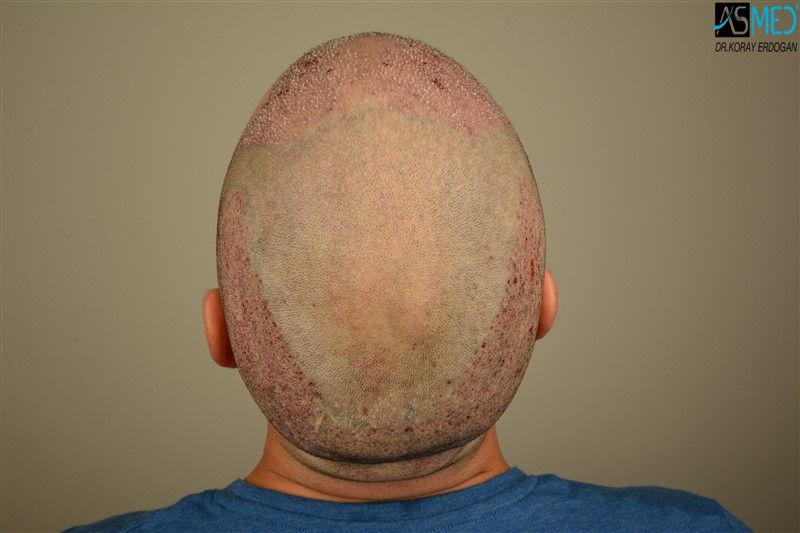
Hair loss can influence how people feel about their appearance and personal style. Many individuals look for long-term ways to address thinning areas and create a fuller look that better reflects their preferences. Interest in modern hair restoration options has grown steadily as more people seek natural-looking improvements to hair density and coverage. Among the topics frequently discussed today is Hair Transplant in Dubai as people explore methods that may help reduce the visible signs associated with hair loss and thinning hair patterns.
Understanding Visible Signs of Hair Loss
Hair loss often develops gradually, making it easy to overlook in the early stages. Over time, however, noticeable changes can begin to affect overall hair appearance and styling flexibility.
- Thinning around the crown area.
- A widening hair part.
- Reduced hair volume during styling.
- Increased visibility of the scalp.
- Receding hairlines in specific regions.
These changes may appear differently from person to person depending on natural hair characteristics and personal grooming habits.
Why Hair Density Matters for Appearance
Hair density plays an important role in the overall balance and framing of facial features. Fuller hair often creates the impression of youthfulness, energy, and vitality, while reduced density may make hair appear flatter or less manageable.
Many individuals find that improved hair coverage allows for greater styling options and increased confidence in everyday situations. Even subtle changes in hair fullness can significantly influence how hair looks from different angles and under varying lighting conditions.
The Connection Between Hair Restoration and Hair Loss Visibility
One of the main reasons people consider hair restoration options is the possibility of reducing how noticeable hair loss has become over time. Areas with reduced coverage often draw attention because they contrast with surrounding regions of thicker hair.
Improving overall coverage can help create a more balanced appearance throughout the scalp. This balanced look may reduce the prominence of thinning areas and support a more uniform hair pattern that blends naturally with existing hair characteristics.
Factors That Influence How Hair Loss Appears
Hair loss visibility is not determined solely by the amount of hair present. Several additional factors can make thinning more or less noticeable in daily life.
- Natural hair color and texture.
- Hair length preferences.
- Individual styling habits.
- Lighting conditions and environments.
- The contrast between hair and scalp tone.
Understanding these influences helps explain why hair loss experiences can vary widely among individuals with similar levels of thinning.
Hair Restoration and Personal Confidence
Visible hair loss can affect more than physical appearance. Many people report becoming more conscious of hairstyles, photographs, social gatherings, and professional settings when changes in hair density become more noticeable.
Addressing concerns about hair appearance may help individuals feel more comfortable expressing their personal style choices. Feeling satisfied with hair appearance often contributes positively to self-image and everyday confidence without changing the person's natural identity or characteristics.
How Hair Coverage Supports a Balanced Look
Balanced hair distribution can contribute to facial harmony and visual symmetry. When certain areas appear significantly thinner than others, attention may naturally focus on those regions rather than the overall hairstyle.
- Improved hairstyle versatility.
- Better framing of facial features.
- More even visual balance.
- Increased styling flexibility.
- Greater consistency in hair appearance.
These benefits explain why many people explore options designed to address visible thinning and uneven density.
Different Patterns of Visible Hair Loss
Hair loss does not follow a single pattern. Some individuals notice gradual thinning across larger areas, while others experience changes in more specific regions.
Common patterns include thinning near the front hairline, reduced density at the crown, or overall loss of volume throughout the scalp. Because every person's hair pattern is unique, concerns surrounding appearance and styling needs may also differ considerably. Recognizing these differences allows individuals to focus on solutions that align with their personal goals and expectations regarding hair appearance.
The Growing Interest in Long-Term Hair Solutions
Temporary styling approaches can sometimes help reduce the appearance of thinning, but many individuals seek options that offer a more lasting approach to improving coverage. This growing interest has contributed to increased awareness of modern hair restoration choices.
People often look for solutions that fit naturally into their lifestyle and support a consistent appearance over time. Long-term approaches may provide reassurance for individuals who wish to maintain a fuller and more balanced hair profile as years progress.
Lifestyle and Hair Presentation
The way hair is presented can strongly influence how noticeable thinning appears. Hairstyling preferences, grooming routines, and personal fashion choices all contribute to the final appearance of hair density.
Some individuals prefer shorter hairstyles that emphasize neatness and simplicity, while others favor longer styles that create additional volume and movement. Having greater flexibility in styling choices is often an important consideration when addressing visible hair loss concerns. Hair appearance also plays a role in personal expression, making it a meaningful aspect of overall image and confidence for many individuals.
Setting Realistic Expectations About Hair Appearance
When considering any hair restoration option, it is important to focus on overall appearance goals rather than perfection. Hair characteristics naturally vary among individuals, and personal preferences differ regarding density, style, and coverage.
Many people aim to achieve a look that feels natural and complements their existing features rather than dramatically changing their appearance. A realistic perspective helps individuals appreciate gradual improvements in balance, fullness, and styling possibilities while maintaining their unique identity. Focusing on personal satisfaction often leads to a more positive experience and a healthier relationship with appearance-related goals.
Final Thoughts
Visible signs of hair loss can influence how individuals view their appearance and manage their hairstyles in daily life. As awareness of hair restoration options continues to grow, many people explore solutions that may help reduce the prominence of thinning areas and support a fuller overall look.
Hair density, coverage, and styling flexibility all contribute to how hair loss is perceived by both the individual and others. By addressing concerns related to visible thinning, people may feel more confident in their appearance and more comfortable expressing their personal style. For many individuals, reducing the visible signs of hair loss is not simply about aesthetics but also about feeling aligned with the image they wish to present to the world.